What Jobs Can You Get With a Bachlors of Arts in Photography
Photography Careers
Prepare to start your journeying?
Students with the right combination of education and experience can pursue careers in photography.
Photographers capture images for commercial, individual, industrial, fine art, and journalistic purposes. Well-nigh photography degrees as well emphasize digital photography skills for the applied science historic period, forth with business, computer, and interpersonal career development coursework.
The following guide explores all facets of pursuing careers in photography.
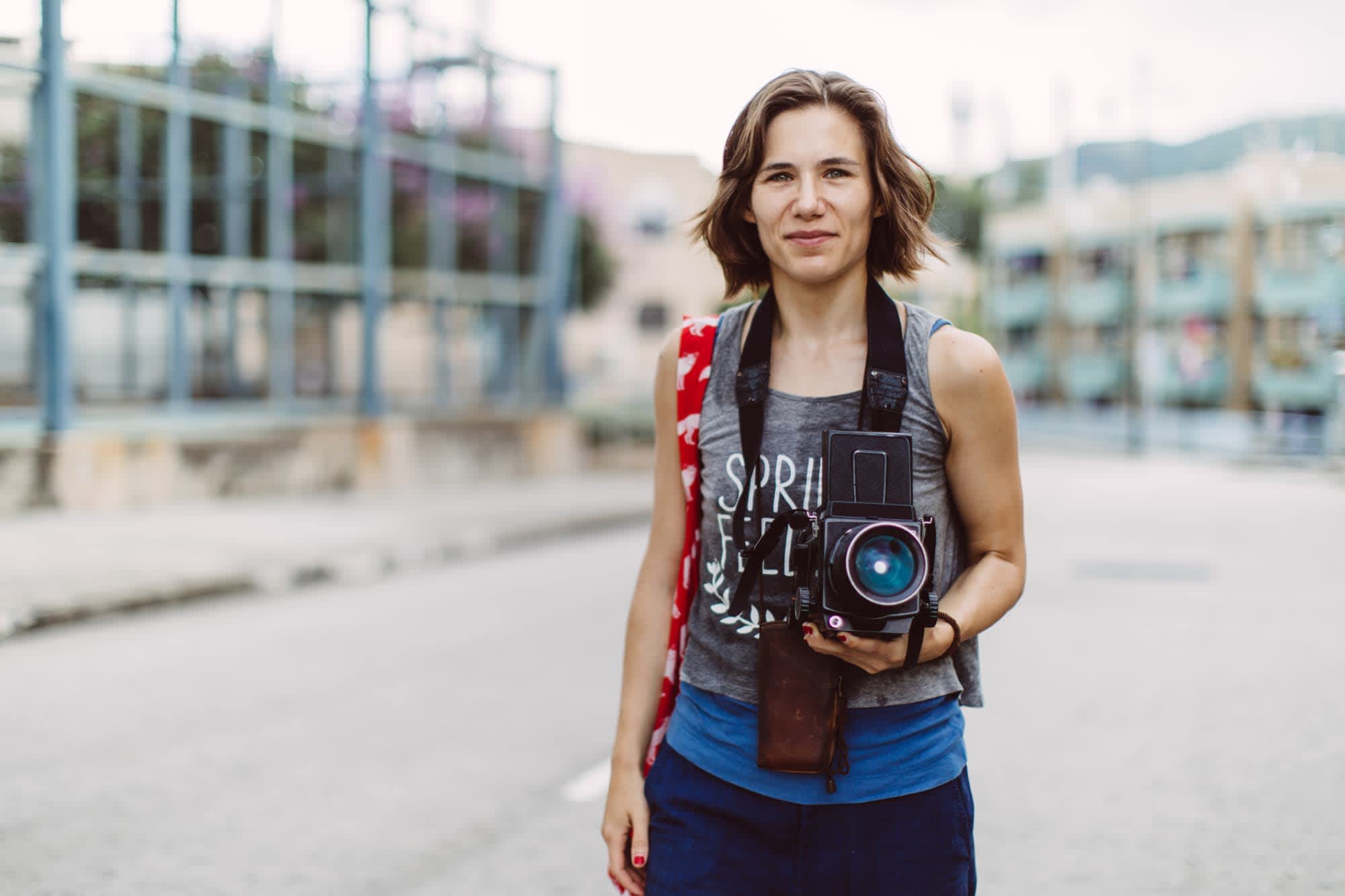
KT images / Getty Images
Why Pursue a Career in Photography?
Students with innate artistic ability and technical skills can thrive as photographers. Since more than 60% of photographers are self-employed, the field attracts personable professionals with excellent customer service skills and astute business sense. Most photography programs develop skills in marketing and advice.
While some fine arts programs incorporate traditional film-based photography, the majority of photography degrees train students in digital photography techniques. Every bit such, most programs emphasize avant-garde computer and technical skills. Students may aspire to a particular career with a photography degree in a specialization such as wedding photography, photojournalism, or fine arts.
Photography Career Outlook
Photography careers vary in terms of bacon and chore outlook. According to the Bureau of Labor Statistics (BLS), photographers earn a median annual bacon of $36,280. Yet, specialized careers in photography can yield a higher salary.
Similarly, while the BLS projects negative job growth for photographers overall between 2018 and 2028, the bureau besides projects a ten% growth rate for self-employed photographers during the same catamenia.
As the declining cost of digital cameras and a surge in online stock photo services in recent years take contributed to a diminished demand for traditional photographers, the BLS projects lucrative opportunities in new technology, especially in commercial and drone photography.
| Chore Title | Entry-Level (0-12 months) | Early Career (1-4 Years) | Midcareer (five-ix Years) | Experienced (10-nineteen Years) |
|---|---|---|---|---|
| Commercial Photographer | $35,170 | $40,630 | $49,000 | $57,770 |
| Photojournalist | $xxx,380 | $34,160 | $38,230 | $54,680 |
| Wedding Photographer | North/A | $45,000 | $46,080 | $44,620 |
| Freelance Photographer | Northward/A | $40,000 | $44,219 | $l,000 |
Source: PayScale
Skills Gained with a Photography Caste
Photography degrees provide a distinct combination of creative and technical skills, enabling students to practice photography as an art grade. The best photography programs teach students business, interpersonal, and estimator skills.
While capturing an prototype requires more than just technical ability, technical skills are critical for students entering the profession.
Whether an aspiring photographer chooses traditional (motion-picture show) or digital processes, they must thoroughly understand how to operate a camera and use photographic equipment. Although most photography programs focus on digital techniques and forego traditional development processes in the darkroom, many degrees include grooming in aperture, exposure, and shutter speed.
Equally most students who pursue an education in photography take innate artistic ability, near coursework in a photography degree is designed to expand on this skill set. Students learn to consider creative aspects of photography when choosing the subject field, limerick, and lighting of their images. Students as well learn to be resourceful and adaptable.
Basic business concern courses for photographers train students to manage their clients, schedule, and finances, while also preparing students for portfolio evolution, marketing, and self-promotion.
Aspiring photographers need estimator skills to capture and process images using a digital camera, as well equally for storing and editing digital images. Basic figurer skills are also critical for professional interaction with clients, employers, and media publishers.
Aspiring photographers with avant-garde interpersonal and communication skills enjoy improve job opportunities. Whether a educatee plans to work directly with clients, multiple media outlets, or a single employer, photographers should exist personable and professional, especially those who aspire to be self-employed, work freelance, or manage their ain small business.
Photography Career Paths
With a degree in the right specialization, students can pursue their pick of careers in photography. While each programme provides its ain unique career path in photography, the following stand for some of the most pop specializations.
Likewise called news photographers, photojournalists capture images of electric current events to accompany human interest stories for print news and broadcast outlets. Photojournalists may photograph people, places, or events.
Portrait photographers accept pictures for a multifariousness of clients. Some portrait photographers, such as wedding ceremony, newborn, and school photographers, travel to a detail site to take portraits, while others who specialize in editorial or fine fine art portraiture may work from their studio.
Fine art photographers oft develop their ain distinctive method of creating images and aspire to publish or exhibit their photos to build their portfolio.
Commercial and industrial photographers capture images of subjects such as buildings, merchandise, landscapes for clients similar technology firms, catalogs, and real estate companies. Some photographers in this field may specialize in drone or aerial imaging, both of which require training on special photographic equipment.
Fashion photographers have photos for marketing campaigns, fashion shows, and editorial projects. They work closely with designers, advertisers, and magazine editors to develop a cohesive brand identity. Fashion photographers may work out of their studio or on location.
How to Beginning Your Career in Photography
With broad applications in fine fine art, media, and communications, careers in photography suit creative professionals with an entrepreneurial side. Regardless of specialization, employers and clients typically value professional photographers with educational activity, experience, and a strong portfolio.
While not all photography careers require a formal pedagogy, acquaintance, bachelor's, and master'southward degrees provide students with the skills they demand in the industry.
Graduates of an associate program can pursue careers every bit freelance photographers, photojournalists, and photographic camera operators. Available's degree-holders can graduate to art director, graphic design, and multimedia artist positions.
Photographers with primary'southward degrees may qualify for careers as college professors. Many large media outlets favor highly experienced photographers with an advanced degree for leadership positions.
Associate Caste in Photography
As the minimum requirement for entry-level positions, an acquaintance degree in photography prepares students for careers as freelance photographers, including nuptials and portrait piece of work and technical positions like camera repairer or camera operator.
Acquaintance programs typically innovate students to the art of photography, preparation them to operate a traditional or digital camera and consider elements like limerick, exposure, aperture, and lighting in creating an image.
As many photographers aspire to go freelancers or self-employed, most associate programs also include coursework in customer service, customer management, and reckoner skills.
What Tin Yous Do With an Associate in Photography?
Freelance photographers take pictures for private clients or publications. These professionals oftentimes specialize in portraiture or issue photography or sell their photographs to media outlets. While no formal education is required, earning an associate degree provides students with both the creative and business skills needed for a freelance career.
Bacon: $42,500
Wedding photographers need advanced client service skills. These professionals are typically hired to capture images for weddings, including portraits and candid shots. Some photography degrees offer concentrations in wedding photography.
Salary: $45,000
Mutual subjects for portrait photographers include students, couples, families, and pets. Portrait photographers may earn a full general photography degree while edifice experience and developing their portfolio.
Salary: $36,280
Students can aggrandize on the technical training provided by an associate degree in photography to get a camera repairer or technician. As part of its foundational photography curriculum, an associate degree teaches students to operate and maintain various types of traditional and digital cameras and equipment.
Bacon: $39,080
Photography employers often value experience over teaching; even so, professionals with an associate degree in photography may hold an advantage over competitors for these coveted jobs. Many photography students aspire to become camera operators for big media outlets or the film industry.
Salary: $45,290
Source: BLS, PayScale
Available's Degree in Photography
While an associate caste prepares students for careers in freelance photography, earning a bachelor's degree qualifies students for related jobs in graphic pattern, art direction, and multimedia art and animation. Additionally, many graduates of a bachelor's program in photography choose to become fine artists or photograph editors.
Aspiring fine artists frequently pursue studio-based programs through a BFA. Meanwhile, a BA in photography develops a student's innate creative ability and likewise provides technical preparation for careers in graphic design and animation.
What Tin can You Do With a Bachelor's in Photography?
Art directors design the layout of images and overall fashion of print and digital media publications and advertising campaigns. Entry-level jobs typically require at least a bachelor'due south degree in art or blueprint and work experience.
Salary: $94,220
Graphic designers are responsible for nearly of the visual communication in the globe, especially in advertising and impress and digital media. While many jobs crave a graphic design degree, some employers hire artists with a photography groundwork and piece of work experience.
Salary: $52,110
Fine artists specializing in photography often aspire to exhibit their piece of work in a gallery or museum setting or sell to private collectors. This career suits photography students seeking the freedom of a self-employed lifestyle. These professionals must accept the business sense to find their niche. Nearly fine artists hold a bachelor'due south degree.
Salary: $48,760
Some photography majors take an involvement in incorporating other artistic media or setting even so images in motility. Condign a multimedia creative person or animator is a common career selection amongst photography students. Most employers require a bachelor'south degree in art or blueprint, work experience, and a stiff portfolio.
Salary: $75,270
Photo editors review, edit, and select images for print and online media, including magazines, catalogues, and advertising campaigns. They typically perform tasks like colour correction and airbrushing. Most employers require at least a bachelor's degree in photography or photojournalism.
Bacon: $49,610
Source: BLS, PayScale
Master's Degree in Photography
Widely considered a last degree for photographers, a main's degree qualifies students to become postsecondary photography teachers. While non all jobs in photography and photo retouching require a main'due south degree, many employers prefer candidates with experience and a strong portfolio for senior positions.
Many schools offer students the choice of an MA or MFA in photography. A master'southward degree typically includes multiple specialization options, such as art teaching, biomedical photography, and digital media.
What Can You lot Practice With a Primary's in Photography?
Due to the rarity of doctoral photography programs, earning a master's in photography is widely regarded as a concluding caste and prepares students for positions every bit photography teachers at the higher level.
Salary: $79,540
While requirements vary by employer, photographers with a chief's degree often qualify for more senior positions and higher salaries than entry-level photographers. National media outlets and well-known publications often prefer senior photographers with years of experience and an advanced degree.
Bacon: $62,110
Photo retouchers need a unique combination of creative and technical skills to enhance images for print/digital publications, advertisers, and real estate agents. Most employers require at least a bachelor's caste in a related field and adopt experienced workers for senior positions.
Salary: $58,110
Scientific photographers take pictures of scientific and medical information and specimens. These professionals typically need special training in using photographically enhancing software and capturing microscopic images.
Bacon: $36,280
Like to scientific photographers, drone/aerial photographers need unique career training. Aerial photographers must learn to operate a gyro stabilizer camera to capture loftier-quality aerial images. Drone operators must also undergo training on unmanned integrated devices and obtain licensure through the Federal Aviation Administration.
Bacon: $36,280
Source: BLS, PayScale
How to Accelerate Your Career in Photography
Regardless of education and experience, professionals can always seek out ways to accelerate their career in photography. Some states require professional licensure for photographers who sell their piece of work, although almost states offer licensure equally an optional resource to photographers.
Many photographers pursue others paths toward career enhancement through continuing instruction units (CEUs) and networking opportunities. Students can proceeds an border over competitors and increment their earning and advocacy opportunities by enrolling in CEUs and joining a professional system in their area of expertise.
Certifications and/or Licensure
Each state determines licensure requirements for professional person photographers and related occupations. While most states do not require photographers to obtain a license to own and operate a photography business concern, some states do. Students should consult the business organization partition of their individual state board for more data.
Photographers may besides pursue the certified professional photographer (CPP) credential through the Professional Photographers of America. CPP certification demonstrates to clients that a photographer meets the highest industry standards of professionalism and expertise.
Photographers specializing in drone imaging must agree licensure in unmanned aircraft performance from the Federal Aviation Administration.
Standing Pedagogy
Students can advance their photography career through continuing education. Learners may return to college at any fourth dimension to earn a higher degree; however, many employers seek out photographers with extensive work experience for senior positions.
As programs increasingly move online, students can earn a certificate in specializations similar digital photography or image editing software. Sites like Coursera and EdX also offer complimentary online courses in photography, art, and blueprint. Many students gain industry feel through internships and fellowships in their area of photographic expertise.
Next Steps
Whether a student plans to begin their career immediately after completing a photography degree or transition from another field, the next steps toward inbound the industry are critical. Many students pursue continuing pedagogy through a fellowship or internship to proceeds work experience and develop their portfolio.
Students tin can also benefit from networking at this phase of their photography career, both independently and through membership in a professional person organization like the Professional Photographers of America or American Photographic Artists. These organizations offer annual conferences, job boards, and group meetings.
How to Switch Your Career to Photography
Equally most entry-level photography jobs just need an associate or bachelor'due south degree, aspiring photographers with a caste in a related field such every bit fine fine art, design, or communications can easily transition to a like photography program. Some of these professionals pursue employment as banana photographers to proceeds work experience.
Freelance and self-employed photographers may make up one's mind to focus on a different specialization afterward in their career. For example, a photographer might transition from photojournalism to wedding photography to piece of work locally instead of traveling. Likewise, multimedia artists sometimes transition to photography equally their primary medium after experimenting with other practices.
Where Can You lot Work as a Photography Professional?
Industries
Equipped with teaching and feel, photographers can begin lucrative careers in impress and broadcast media, publishing, and movement pictures.
Photographers often pursue entry-level jobs in radio and television dissemination equally camera operators or production administration to gain feel. Experienced photographers in this manufacture may authorize for senior positions as camera operators in larger media markets or as directors of photography for high-level projects.
Average Salary: $52,020
Recent graduates of a photography plan often begin their career by submitting freelance photographs to news media outlets, while more than seasoned photographers may qualify for full-time positions equally photojournalists or at a publishing house.
Average Salary: $52,820
Some students aspire to become still or fix photographers in the motion movie manufacture, while others seek industry experience and boosted education to pursue a role like director of photography.
Average Salary: $71,670
Many photographers seek freedom and autonomy through creative pursuits. Most jobs in the fine arts value experience over an advanced education, enabling photographers to enter their choice of nontraditional occupations in the creative sector. Students ofttimes become cocky-employed every bit freelance photographers or explore photography as an fine art-making do.
Boilerplate Bacon: $46,170
This sector oftentimes includes photographers with specialized skills, such every bit scientific photographers who capture microscopic images or drone camera operators. Additionally, some students earn an advanced degree to go postsecondary photography instructors.
Average Salary: $41,040
Source: BLS
Locations
Employment rates and average salaries of photographers vary by location. California employs the highest number of photographers (6,600), followed by Florida and New York.
While California houses the most photographers in the U.Southward., the District of Columbia pays photographers the highest average almanac salary ($89,310).
Beyond location, employment likewise depends on a candidate's education, feel, and creative ability.
Interview With a Photographer
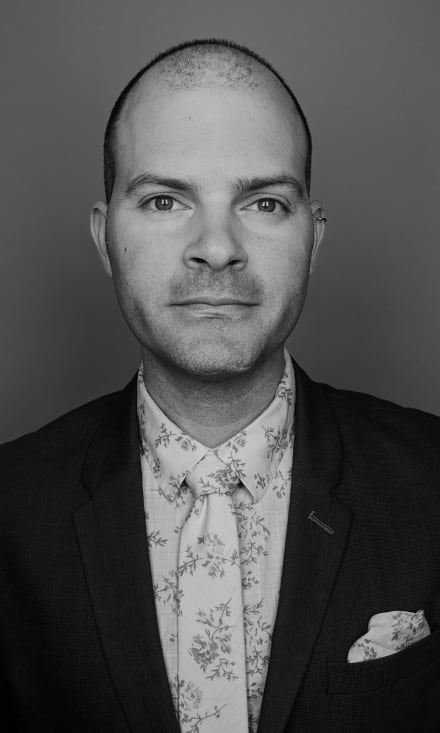
Michael N. Meyer
Michael North. Meyer runs Picture More Business®, a New York City-based corporate portrait photographer studio focused on the needs of professional services firms. His clients include a long listing of law firms, fiscal services firms, nonprofits, and media companies. He is also the host of the Legal Marketing Studio, a podcast devoted to exploring trends in legal marketing. His fine art projects have been exhibited and published internationally.
I borrowed my father'south Nikkormat in sixth grade to take pictures for my class'south yearbook. After that I was hooked and couldn't imagine doing anything else. Effectually that time Nikon was running advertisements that romanticized the life of a working lensman. The journalistic manner they depicted isn't where my career has gone, but those ads certainly led to my early interest in pursuing photography.
Photography every bit an area of written report can be many things: a technical skill gear up, a commercial merchandise, an artistic exercise, a historical progression, or a theoretical or conceptual framework or support for practices in other fields. Programs at different schools volition balance these competing photographic possibilities in different means. When looking at studying photography, a prospective student should look closely at whether or not their idea of photography matches a schoolhouse's idea of photography.
My path after graduating was slow and meandering. For the first yr I jumped betwixt odd jobs (didactics photography at a summer plan, working retail at an art supply store, designing collateral for a small not-profit) before landing a job managing a photographer's studio.
In this position I spent virtually of my time keeping up the books and doing portfolio drops simply also learned how to produce loftier-terminate corporate, editorial, advertising, and music shoots; negotiate contracts; and run a business organisation. This get-go job in my field came through an introduction in my schoolhouse'south alumni network.
Photography tin be a versatile caste depending on which "photography" 1 studies. I would encourage students to await at photography every bit one would any liberal arts major: as a ways of learning how to think critically. Technical skills are the easy role, but they are not plenty by themselves to build a career upon. 1 wants their studies to illuminate what i has to say about the world and, to a lesser extent, how to turn that into a viable career (or more likely into a viable business).
Whichever "photography" one studies, photography ought to sit at the center of a constellation of other topics. Subjects like history, philosophy, anthropology, or literature will assist with learning what to say, while subjects similar business, accounting, or marketing will exist useful in building one'due south career.
There isn't a articulate career path in photography in the sense that there are many paths within the field. I tin can only speak to my own experience as a corporate lensman. In the commercial space, most photographers are freelancers who piece of work for many clients and accept to solve different issues every day. One doesn't take a job so much as ane runs a business. While a corporate shooter's business concern will look different than an advertising shooter's, the career path will likely be similar: years of assisting and edifice experience before moving out to build 1's own business organization.
As a commercial photographer, this was more or less my path. Over fourth dimension, my business evolved as I honed in on a niche that was best served by my item skill sets and engaged my core interests. In the end, by recognizing a particular kind of photography I was good at and edifice a network of relationships inside a potential client base, I've managed to garner a steady menses of corporate projects.
I wouldn't say that at that place is a typical path for someone who graduates with a photography degree. Amongst my friends in the field, we have followed many different career trajectories.
Most of the folks I know are commercial photographers who specialize in shooting concern portraits, architecture, advertising, or advertorial content. A few take glamorous careers (or and then it would seem from their social media) equally way photographers or fine fine art stars. A handful work as journalists or documentary photographers. A couple shoot personal events. I know still others who teach or take support roles in university settings or have become photo editors, retouchers, printers, curators, designers, and archivists. I also have many friends who take moved into other fields but keep to shoot every bit their passion moves them.
Many of us habiliment multiple hats inside photography. Every bit an example, I make my primary living as a corporate photographer but also teach equally an offshoot professor and exhibit my fine fine art projects.
The most enjoyable attribute of my job is the variety of people who I get to interact with on a daily footing. On one mean solar day I may be shooting executives for an international conglomerate, and then on the next working with volunteers at a local nonprofit. Each of my subjects has a fascinating story to tell. This constant engagement with people in the world has been what I've enjoyed most in my career.
The greatest challenge is that I spend far more fourth dimension promoting my services and doing administrative tasks than I do really making photographs. I think this is a common complaint among commercial photographers. However, I've also taken it as an opportunity, as it allows me to residue my client work with my own personal projects that go along to drive my passion for the medium.
The best advice I could give is not to written report photography with an centre but towards finding a job. Photography is a process of finding understanding of oneself and of the world. Study it with this in listen and the world will open up up to y'all. If one is looking for a clear career path, study bookkeeping.
Resources for Photography Majors
The photography industry offers several professional person organizations for photographers, artists, and editors. Membership can provide unique networking opportunities, industry news, and job communication. Many organizations attract students and recent graduates with discounted membership rates.
Photographers oft rely on referrals and professional person networks to gain new clients and find projects. The following professional organizations can assist y'all become more direction when it comes to technical advice, job leads and educational resources.
Some of these organizations host annual accolade ceremonies and competitions, which tin can give students and professionals the opportunity to challenge each other for academic funding and prestige.
Professional person Photographers of America: Since its founding in 1880, the PPA has gained over 26,000 members in 54 countries. Photographers tin can study for and take the CPP exam to earn a professional credential that shows employers that their skills encounter certain standards and ethics.
National Press Photographers Association: This system was established in 1946, when the first issue of the National Press Photographer was launched. The NPPA is dedicated to professional advocacy and continued education for photographers that work in journalism. Members proceeds exclusive admission to insurance and production discounts, are listed in the "Find a Photographer" database, and get a subscription to News Photographer magazine.
National Association of Photoshop Professionals: The NAPP was created by the Kelby Media Group and is based in Oldsmar, Florida. Subscribers gain access to professional software tutorials, exclusive member forums, Photoshop User mag, webcasts, and an online photography helpdesk.
American Photographic Artists: The APA has three primary missions: advocacy, continued education, and setting professional standards for photographers within the United States. Members gain access to discounted business insurance rates, exclusive APA newsletters, training manuals, and discounts. Based in San Francisco, the APA operates six regional chapters across the U.S.
Open up Courseware are free, online courses offered past some of the best higher pedagogy institutions in the U.South. The following courses explore the fundamentals of photography and photojournalism.
Introduction to Photography: This MIT course is comprised of video lectures, example photography projects put together by the Fall 2002 class, and figurer lab piece of work. Topics include digital imaging, lighting, colour processes, and several other technical photography skills.
Fundamentals of Digital Image and Video Processing: This course explores the fundamental tools and methods used to produce and process digital images. Students learn nevertheless and video imaging techniques, including enhancement, editing, and manipulation for various artistic, scientific, and commercial applications.
Seeing Through Photographs: This course encourages students to turn a critical eye to photographs in the MoMA collection. Topics include the deviation betwixt photographs and photographic images, how the context of an image informs its creation, photography equally a style of communication, and historical storytelling through photographs.
Cameras, Exposure, and Photography: This form introduces students to all aspects of traditional and digital cameras, equipment, and accessories. Instructors assistance learners select the correct camera to produce the images they seek.
These open access journals allow y'all to go far-depth analysis and insights into photographic theory and technique. Photographers submit their own piece of work to these publications to gain creative exposure.
Trans Asia Photography Review: This international publication is edited past faculty from Hampshire College, the University of Wellington, and Jamia University. New issues of TAP appear twice a yr, covering photography in Asia. Previous articles have included commentary on Ai Weiwei's work, explorations into the Alkazi Foundation for the Arts in New Delhi, and a description of archival drove processes used by Harvard University.
Philosophy of Photography: This international publication includes articles that focus on the theory, techniques, disquisitional approaches, and philosophy of photography. This periodical is published twice a year, with an editorial lath hailing from multiple academic institutions across the globe.
Journal of Mass Communication & Journalism: This publication highlights the importance of photography inside new media. Authors can submit inquiry papers, commentary, instance studies, volume reviews, and opinion pieces that pertain to mass communication and journalism. New problems are released every other month. The editorial console consists of professional journalists and educators based in Rome, Arab republic of egypt, the Britain, and several U.Southward. states.
Open Arts Journal: This journal showcases essays, reviews, and research pertaining to visual arts. This publication is released twice a year, with an editorial lath that consists of several faculty members from The Open up Academy.
The following books are highly regarded past students, academics and practicing professionals within the fields of art photography and photojournalism. They tin assistance you hone your craft and produce high-quality shots, fifty-fifty if you practise not have the best equipment or engineering. Many of these guides focus on photographic composition and shooting techniques.
Slightly Out of Focus: Photojournalist Robert Capa survived five wars to record gainsay in stunning detail with his photographs. This is his memoir, chronicling his experiences during World War II as a professional documentary photographer.
Learning to See Creatively: This immensely popular volume by Bryan Peterson emphasizes how individuals accept dramatically different views of a situation. Your sight can be a rich field of ideas -- you just demand to know how to expect. Peterson's book shows y'all how to infuse your work with creativity.
Photographic Limerick: A Visual Guide: This popular textbook was written past Professor Richard Zakia and author David A. Page. It covers the fundamental process that occurs before you take a photo. Topics include framing the scene, choosing a vantage bespeak, considering proximity, controlling low-cal, and using post-processing effects in Photoshop.
Photojournalism: The Professionals Approach: Professor Kenneth Kobre of San Francisco Academy explores the techniques, equipment, and ethics of effective photojournalism. This guide comes arranged with a DVD, which shows footage of photojournalists on the ground, capturing events every bit they unfold.
Digital magazines are a perfect medium for showcasing photography, since high-resolution images can be displayed in multiple sizes without impress deposition or cost. The following periodicals tin can help you lot keep up with modern photography trends. Equipment reviews tin can also assistance you make informed tech purchases.
British Journal of Photography: This is a multimedia resource that collects articles on gallery showings, photography equipment, noteworthy photographers, and bookish developments. This publication does have a print periodical that is published on a monthly basis; nevertheless, the digital version features news that is updated several times a week. Mobile users tin can likewise buy subscriptions formatted for iPhones and iPads.
F-Finish: This digital publication showcases contemporary photographs from all around the globe. Information technology features new artists and group exhibitions that focus on a specific theme. Previous F-Stop themes include "The Natural World," "Truthful/False" and "Juxtaposition." Each photograph is presented in a high quality digital format with a dedicated slideshow feature congenital into the F-Stop interface.
LensCulture: This Paris-based online magazine is known by professional photographers for its prominent annual honor ceremonies, such as the LensCulture Student Photography Awards and the LensCulture International Exposure Awards. This mag accepts photo submissions in dozens of categories, including art, urban, alternative process, even so life, festivals, and portraits. The magazine also publishes book reviews and interviews with professional person photographers.
Nature Photographers: This is the official publication of the Natural Photographers Network, a professional person organization dedicated to nature photography. This magazine showcases galleries in the post-obit categories: flora, avian, environmental photojournalism, wildlife, and man interactions with nature.
Oftentimes Asked Questions
It depends. Photography careers can be lucrative and long-lasting, especially for self-employed workers, and drone and commercial photographers.
Photographers can specialize in many different fields, including wedding photography, commercial/industrial photography, and photojournalism. Photographers tend to gravitate toward self-employment through freelance and contract opportunities.
Commercial photographers are amid the highest paid workers in their field, typically earning a starting salary of $35,000 and as much every bit $55,000 with most xx years of professional experience.
Information technology depends. Creative students with an entrepreneurial streak oft benefit from photography degrees.
BestColleges.com is an advertising-supported site. Featured or trusted partner programs and all school search, finder, or match results are for schools that compensate us. This compensation does not influence our schoolhouse rankings, resource guides, or other editorially-independent information published on this site.
Compare your schoolhouse options.
View the most relevant school for your interests and compare them by tuition, programs, credence charge per unit, and other factors important to notice your college home.
lawrencemorty1992.blogspot.com
Source: https://www.bestcolleges.com/careers/art-and-design/photography/

Post a Comment for "What Jobs Can You Get With a Bachlors of Arts in Photography"